


Guide

Should you opt out of AI resume screening?

Some application forms now let you ask for a person, rather than software, to make the first assessment. Here is what that choice does, what it does not, and how to make your resume work either way.

  • Plain answer
  • When it helps
  • Prepare either way
Document
Career stage
0 / 2,500 words

Your document

Paste your notes and press Write. Your document appears here, with [placeholders] for anything missing.

At a glance

Opting out of AI resume screening, where an employer offers it, usually means asking for a person rather than an automated tool to make the first assessment of your application. We know of no public data showing that opting out helps or hurts on average; the effect depends on the employer's process. It makes most sense if you need an accommodation or your background is hard to match by keywords. Either way, a plain, tailored resume serves software and people.

Who offers it
Some employers, because of local rules or company policy
Average effect
Unknown; we know of no public data either way
When it can help
Accommodations, unusual career paths, non-standard titles
Either way
A plain, single-column resume tailored to the job ad

What AI resume screening does

  • 01

    Parses your resume

    Software extracts titles, employers, dates, skills and education into fields.

  • 02

    Matches the posting

    Those fields and your wording are compared with the job's requirements.

  • 03

    Ranks or filters

    Some tools score, sort or filter applicants for recruiters to review.

  • 04

    May assess more

    Some tools also analyze questionnaires, skills tests or recorded interviews.

How to decide whether to opt out

  1. 01

    Read the notice

    Find out what the tool does and what opting out changes for your application.

  2. 02

    Check your situation

    A disability, an accommodation need or an unusual background are good reasons.

  3. 03

    Prepare one resume for both

    Plain format, standard headings and the posting's terms where they are true.

What AI resume screening is

Most employers that hire at volume use an applicant tracking system to collect applications. Some add automated tools that read resumes, compare them with the job and rank or filter candidates. The tools differ a lot: some only sort by keywords, others use machine learning models trained on past hiring decisions, and some also score assessments or video interviews.

An opt-out, where one exists, is the employer's way of offering another route, usually a review by a person. The notice in the application should say what the tool does and what changes if you opt out.


Reasons to opt out

Opting out can make sense when:

  • You need an accommodation, for example for a disability, that the tool may not handle
  • Your experience is real but described in unusual terms: military roles, foreign titles, self-employment
  • You are changing careers and your strengths are hard to match by keywords
  • The notice says the tool analyzes video, voice or personality, and you prefer it did not

Reasons it may not matter

If your experience matches the posting in plain terms, a tailored resume does well with software and people alike. Opting out may route your application to a slower manual queue, and many employers still read every resume that passes the first step. Without a specific reason, the time is usually better spent tailoring the resume.

The rules on automated hiring tools

Rules differ by place and change often. In New York City, Local Law 144 requires employers that use automated employment decision tools to have them audited for bias and to notify candidates. The EU AI Act treats AI systems used for recruitment and candidate selection as high-risk. Anti-discrimination law applies to hiring decisions whether or not software is involved. This page is general information, not legal advice.

Make your resume work either way

The same resume can serve software and people:

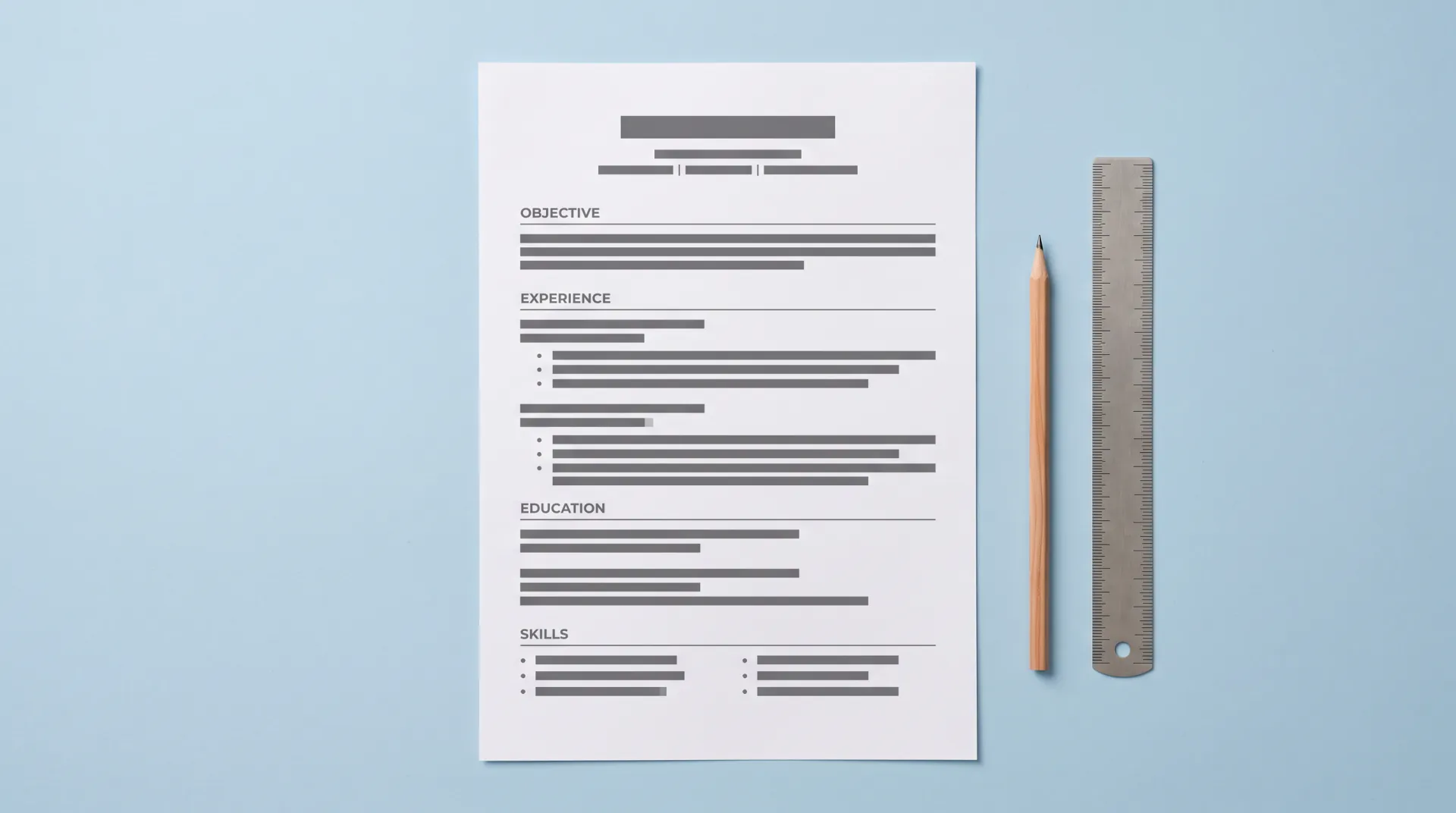
  • One column, standard headings, dates beside each job
  • The posting's exact terms for skills you really have
  • Results in the first bullet of each job
  • A summary that names the role you are applying for

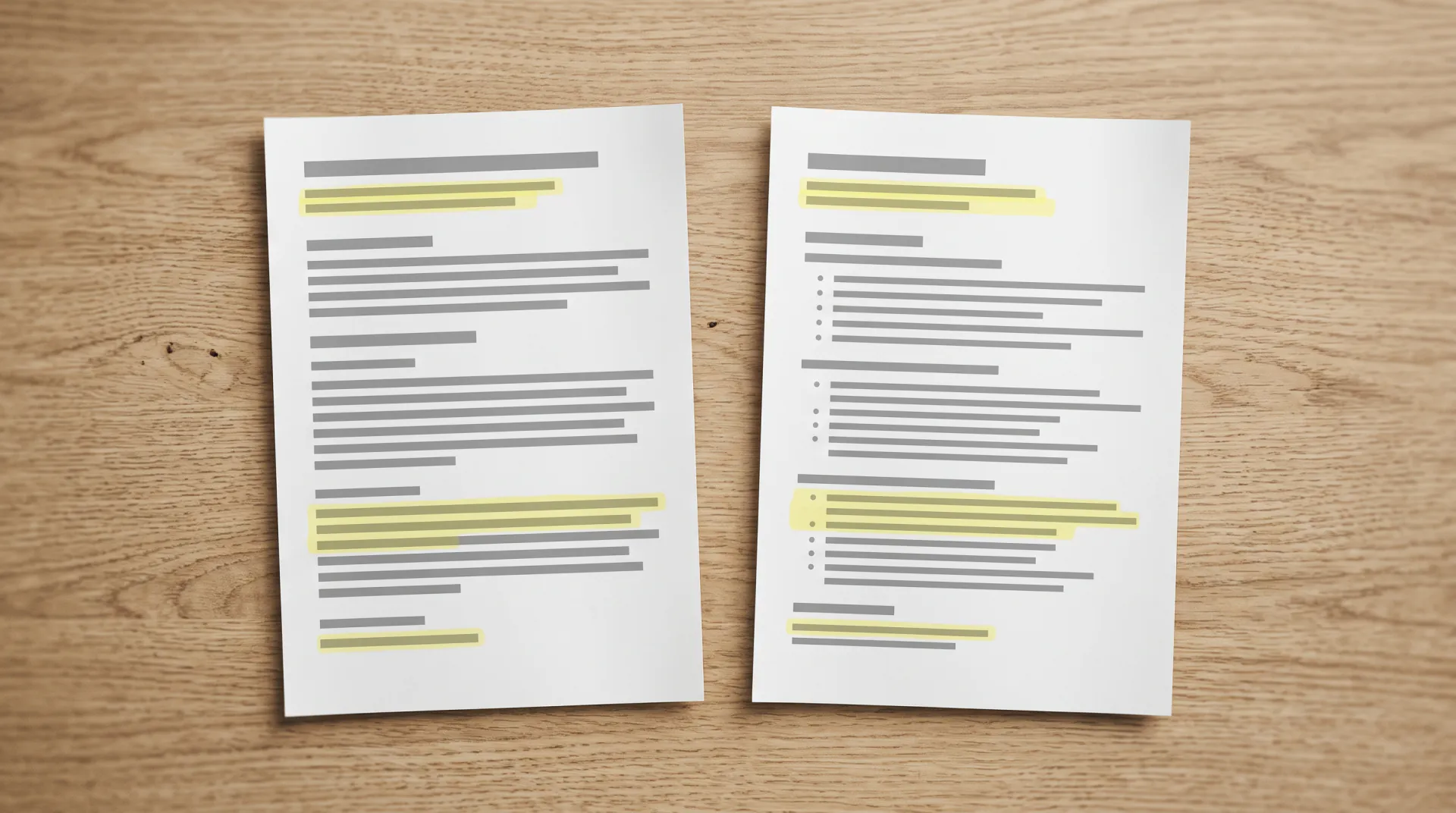
Screened by software or by a person first

Automated screeningHuman review after opting out
What is read firstParsed fields and keywordsSummary, recent job and results
Helps youStandard headings, matched termsClear results, a story that fits the job
Hurts youTables, graphics, unusual titlesGeneric wording, long dense paragraphs
SpeedUsually fastDepends on the employer

AI resume screening FAQ

Does opting out of AI screening hurt my chances?

We know of no public data showing an average effect either way. It depends on the employer: some route opted-out applications to a recruiter, which can be slower. If you have a reason to opt out, such as an accommodation, use the option; the employer offered it.

Can an employer reject me for opting out?

An employer that offers the option has said it will review those applications another way. If the notice does not explain how, ask the recruiter how opted-out applications are handled before you decide.

Is AI resume screening legal?

Generally yes, with rules in some places. New York City requires bias audits and candidate notices for automated employment decision tools, the EU AI Act sets duties for AI used in recruitment, and anti-discrimination law applies to every hiring decision.

How do I know if an employer uses AI screening?

Look for a notice in the job posting or the application form, or ask the recruiter. Where notice rules exist, such as in New York City, employers must tell candidates. Many employers use an applicant tracking system without automated scoring, so a portal alone does not tell you.

Should you opt out of AI resume screening if you are changing careers?

It can help when your experience is hard to match by keywords. Either way, describe transferable results in the posting's language, and consider a skills-first or combination resume so the relevant skills appear first.

Make one resume that works either way

Check your resume against the job ad for both software and people. Free account; a review uses purchased credits.

Last updated October 29, 2026

Create your free account